Medical waste disposal for oncology and cancer centers
An infusion suite generates two kinds of waste that must never share a container: ordinary regulated medical waste, and anything that has touched a cytotoxic drug. We collect the first and we are straight with you about the second.
Get a quote today
Tell us about your facility and the Mobile office will call you back.
No long-term contracts
You stay because the pickups happen, not because a contract says so.
No hidden fees
Mail-back has no minimum purchase and no fuel surcharge either.
Local pickup
South Alabama, South Mississippi and the Florida Panhandle.
Mail-back anywhere
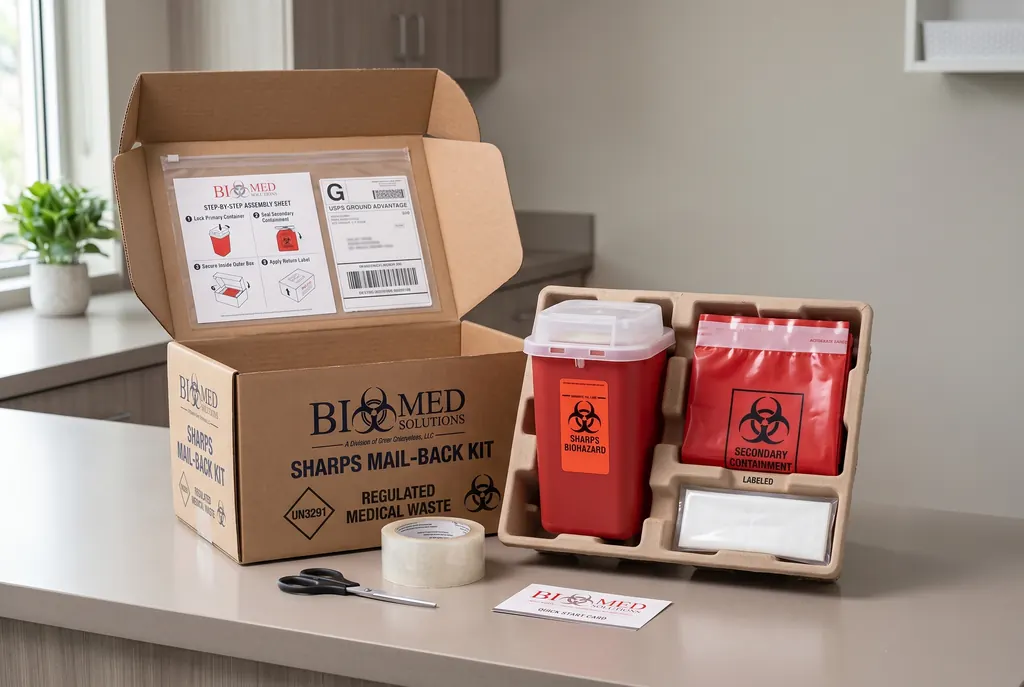
Prepaid return boxes to all 50 states, for offices that make very little.
What an infusion center generates
Two streams that must stay apart
Segregation is the whole job in oncology. Access needles, blood tubes, dressings and PPE from routine care are regulated medical waste. Anything contaminated with a cytotoxic or chemotherapeutic agent is a separate stream with its own containers, its own color and its own vendor.
BioMed collects the first stream. We do not take chemotherapy or trace chemo waste, and we would rather say that on this page than discover it at your loading dock. Where you need both, we work alongside the vendor who handles the cytotoxic side.
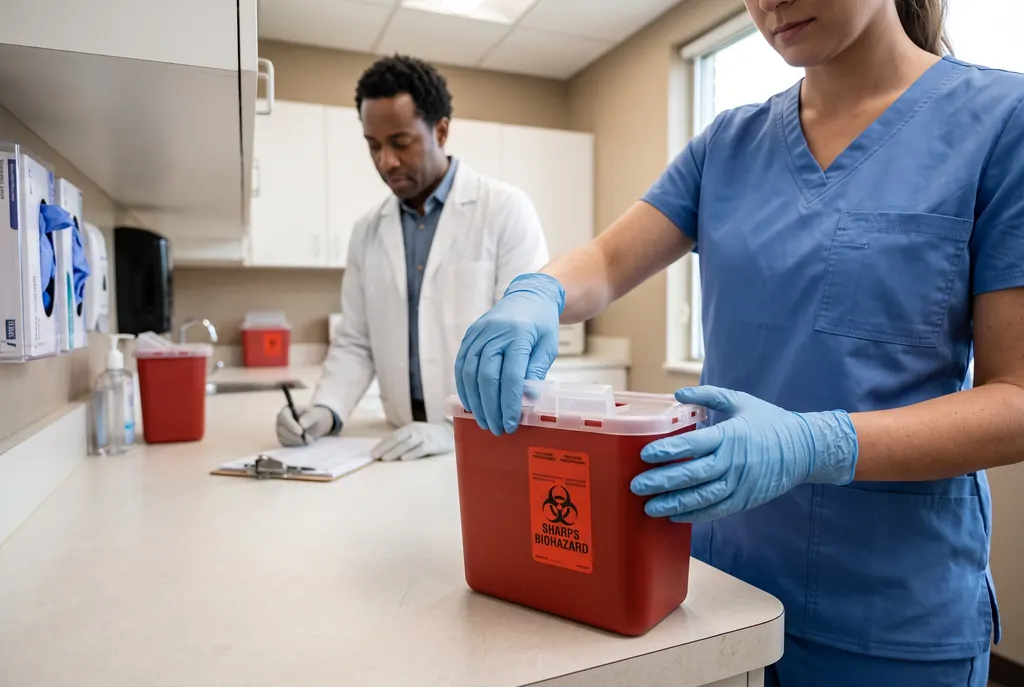
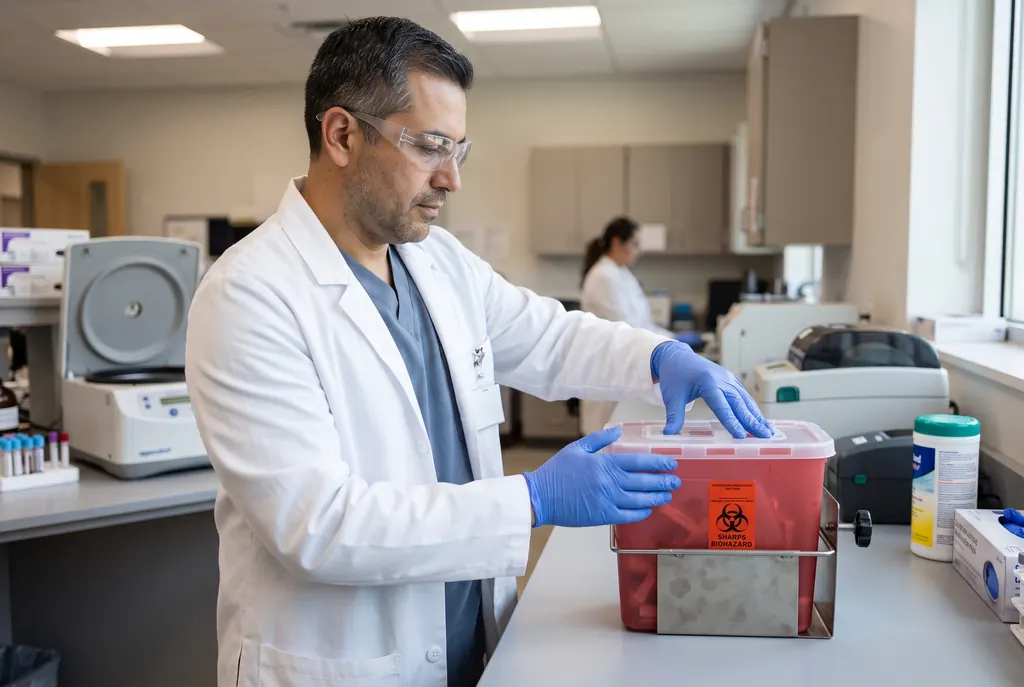
Access and draw sharps Port needles, hypodermics and blood collection sharps from routine treatment.
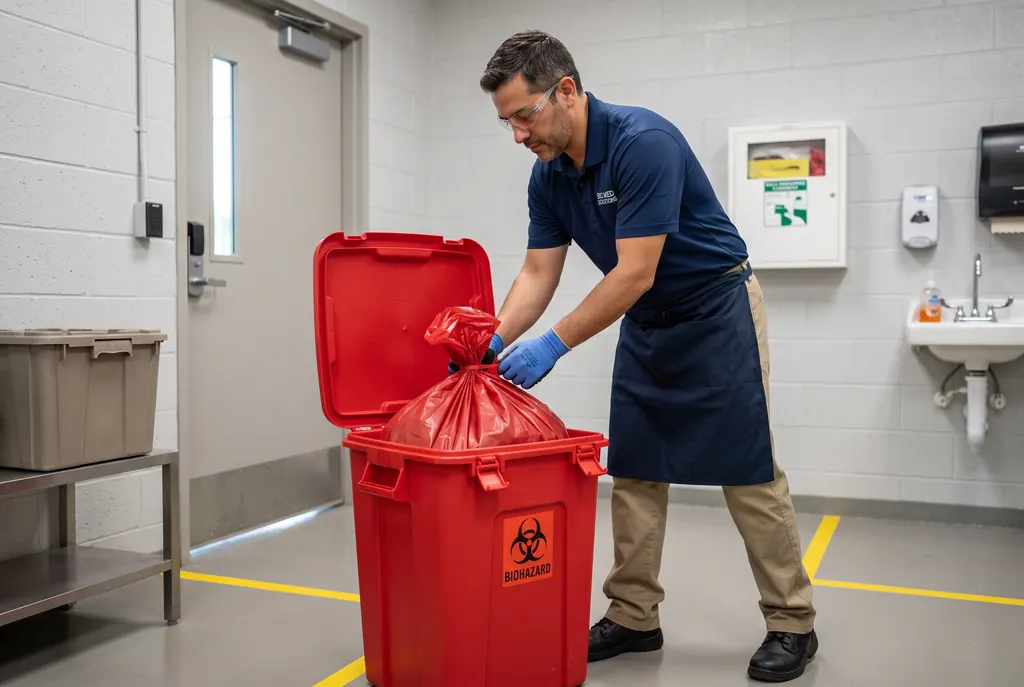
Red bag waste Dressings, gloves, gowns and tubing from non-cytotoxic care.
Non-hazardous drug waste Expired and unused pharmaceuticals from the clinic's own stock.
Not collected here Chemotherapy and trace chemo waste, which belongs in a dedicated stream with a vendor set up for it.
What applies to you
The rules behind the containers
Two frameworks matter in an oncology setting, and they answer different questions.
OSHA on exposure
The Bloodborne Pathogens standard covers sharps and blood exposure. Hazardous drug handling is addressed separately, in OSHA guidance and USP General Chapter 800.
Segregate at the source
Cytotoxic waste goes in its own labeled containers from the moment it is generated. Mixing it into red bag waste is both a safety and a cost problem.
The EPA on drug waste
Hazardous pharmaceutical waste from healthcare is handled under 40 CFR 266 subpart P, distinct from regulated medical waste.
Documented either way
Every stream needs a manifest and proof of destruction. Ours covers the waste we carry; keep the other vendor's alongside it.
A summary for orientation, not legal advice. Check the current rule with the agency, or call the office in Mobile, AL.
Two ways to dispose
Pickup or mail-back
It comes down to how much you make. Steady volume suits a truck on a schedule. An office that fills a few containers a month can skip the truck and mail them back.
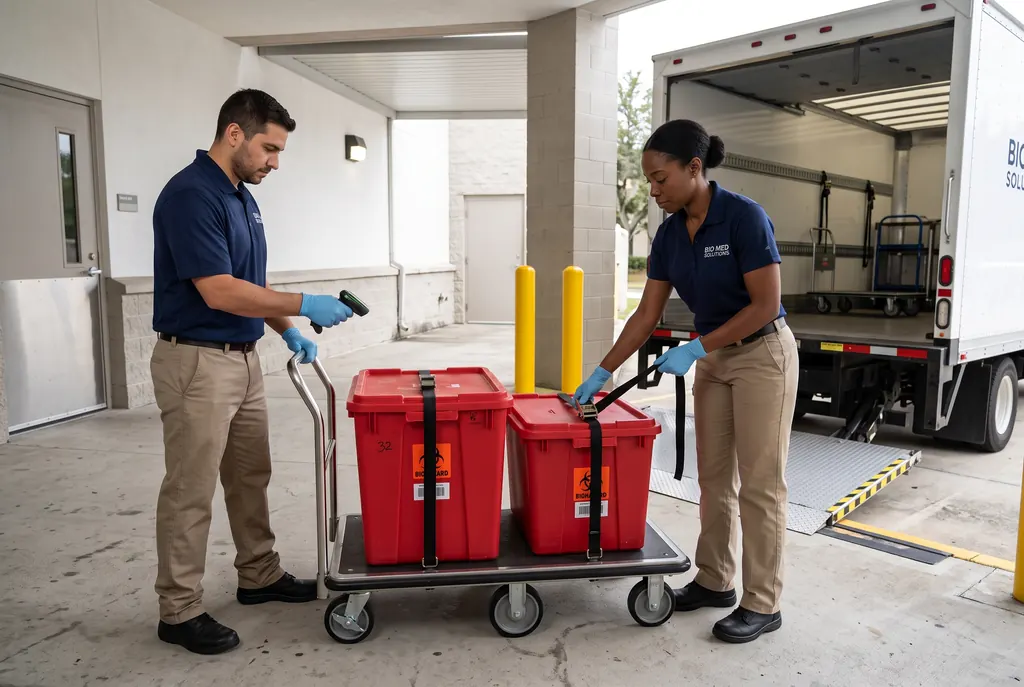
Scheduled pickup
For clinics, practices and facilities with steady volume
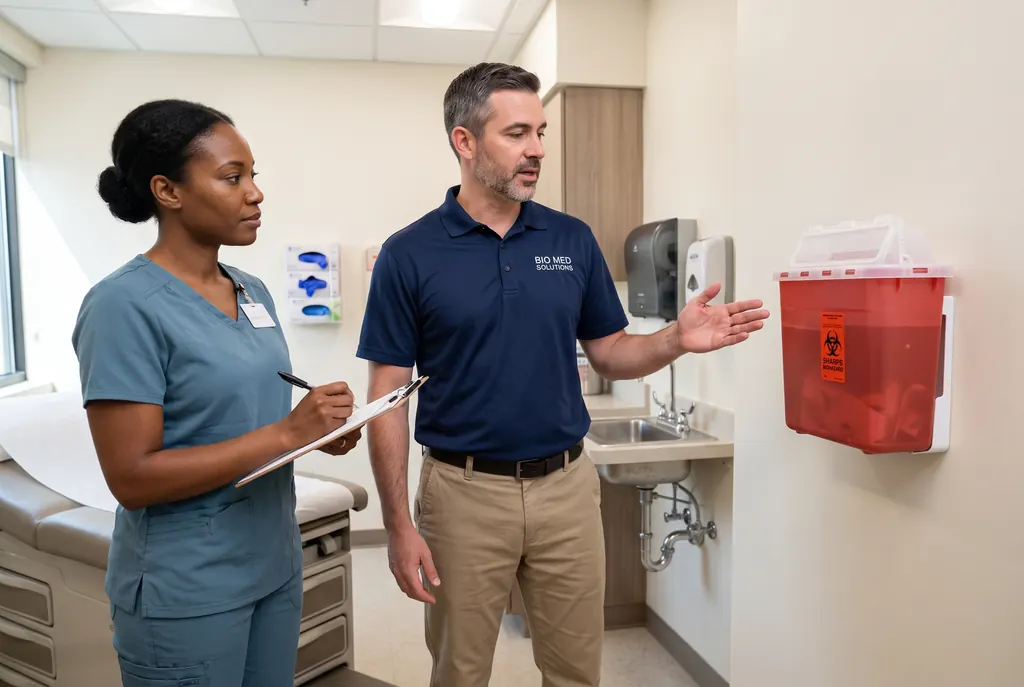
Containers and bags supplied for each waste stream
Routine or flexible pickups, adjusted when your volume changes
Collected by trained, experienced personnel
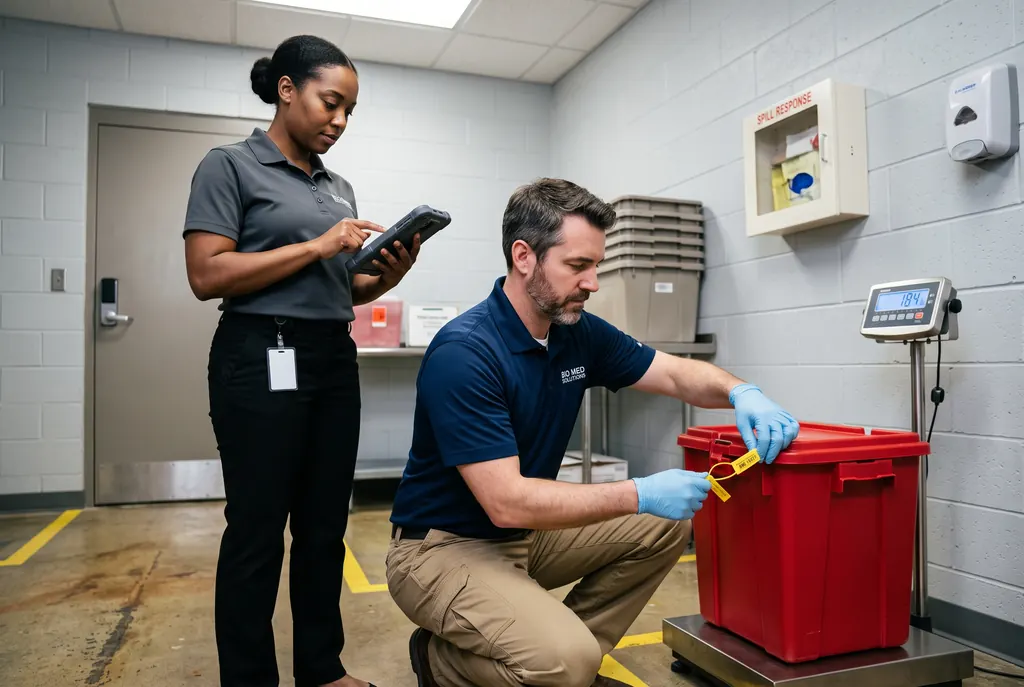
Waste manifest and proof of legal destruction every time
Local across South Alabama, South Mississippi and the Florida Panhandle, from our Mobile, AL office
No. Chemotherapy and trace chemo waste is a separate stream that needs a vendor set up for cytotoxic material. We collect the regulated medical waste, sharps and non-cytotoxic pharmaceutical waste alongside it.
Can you still serve an oncology clinic?
Yes, for the streams we handle, and many clinics run two vendors for exactly this reason. We will help you set the segregation up so neither stream is contaminated by the other.
What about expired non-hazardous drugs?
Pharmaceutical waste disposal is one of our services, covering expired and unused drugs including EPA hazardous pharmaceuticals.
How often would you collect?
On a routine or flexible schedule matched to your infusion volume, changed when that volume changes.
What do we get after a pickup?
A waste manifest and proof of legal waste destruction for everything we carried.